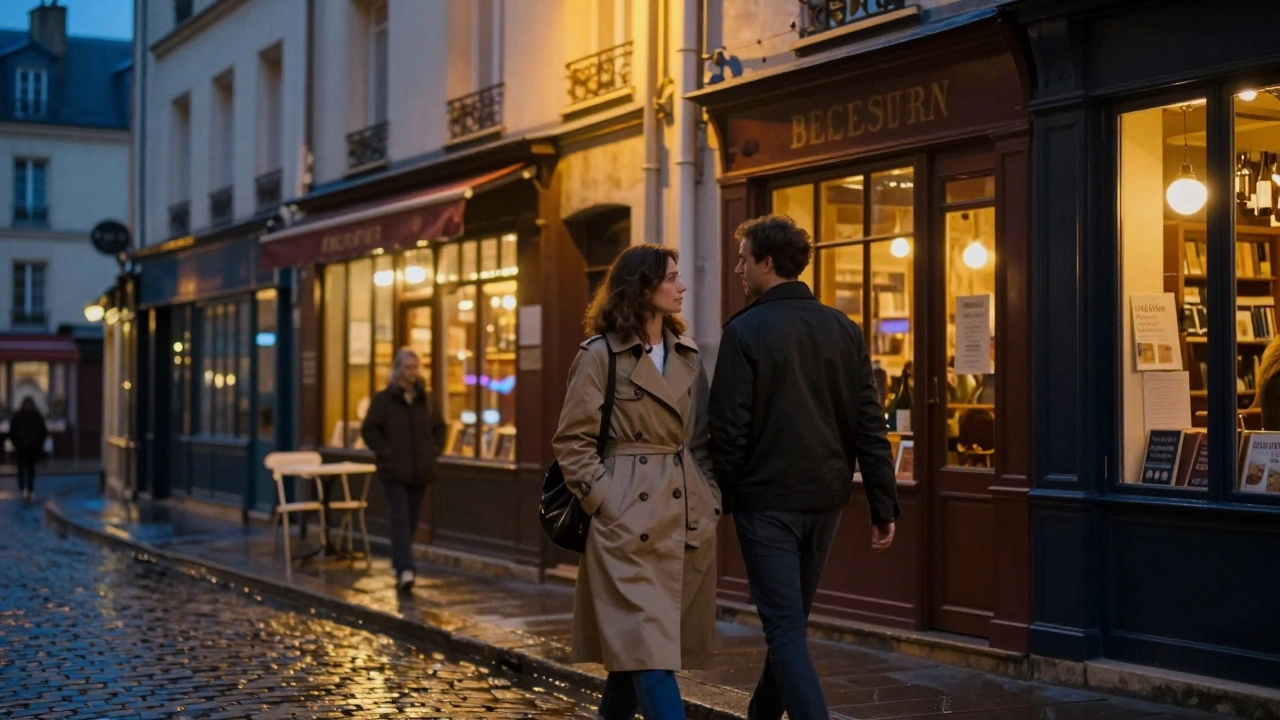
Paris isn’t just about the Eiffel Tower, croissants, and cobblestone streets. Beneath the surface of its romantic image lies a quieter, more complex layer-people who offer companionship as a service. The term escort girls Paris often conjures images of glamour and secrecy, but the reality is far more nuanced. These individuals aren’t just fulfilling fantasies; they’re navigating a world shaped by centuries of French culture, modern legal boundaries, and deeply personal choices.
Some turn to this line of work after studying art, literature, or languages, drawn to the city’s intellectual energy. Others see it as a flexible way to support themselves while traveling or pursuing other passions. If you’re curious about how this side of Paris operates, you might find insight in stories shared by those who’ve lived it-like those documented on escort girl.paris.
What Does an Escort Actually Do in Paris?
The word ‘escort’ gets misused a lot. In Paris, it rarely means what movies or sensational headlines suggest. Most professional companions provide conversation, cultural guidance, or simply someone to share a meal, a museum visit, or a quiet evening with. There’s no script. No choreography. Just human connection, often in settings most tourists never see-cozy bookshops in Le Marais, hidden wine bars near Montmartre, or long walks along the Seine after sunset.
Unlike in places where the industry is tightly regulated or heavily criminalized, Paris operates in a gray zone. Prostitution itself isn’t illegal, but soliciting in public, running brothels, or exploiting others is. That means most companions work independently, often through discreet networks or vetted platforms. They set their own hours, rates, and boundaries. Many have full-time careers outside of companionship-teachers, artists, translators-and treat this as a side gig that gives them freedom.
The Cultural Weight Behind the Title
France has always had a complicated relationship with sexuality and independence. From the courtesans of the 18th century to the femmes libres of the 1960s, Paris has long celebrated women who control their own bodies and choices. The modern escort isn’t a relic-it’s a continuation of that legacy. Many clients come not for physical intimacy alone, but for the illusion-or reality-of being understood by someone who knows how to listen, how to laugh, how to make you feel like you’re the only person in the city.
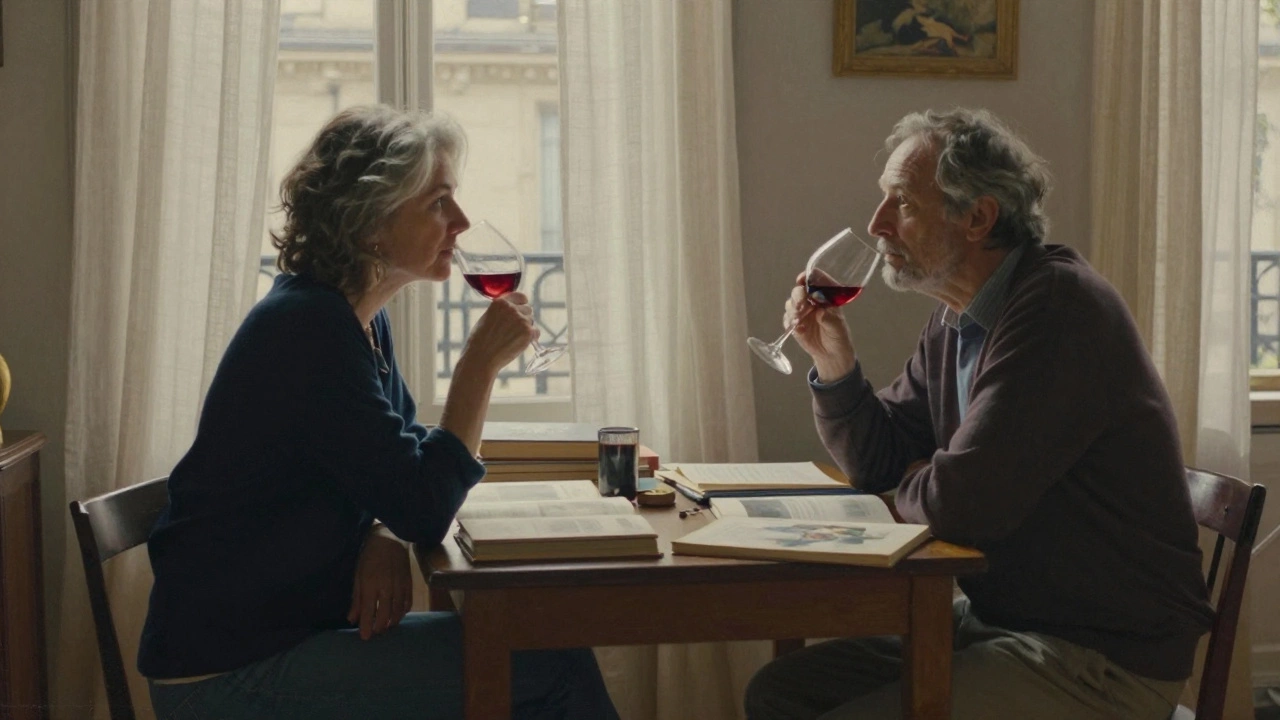
There’s also a quiet pride in being part of Paris’s identity. One woman I spoke with, who goes by Léa, said: “I’m not selling sex. I’m selling presence. And Paris? It’s the best place in the world to be present.” She’s fluent in three languages, has a degree in philosophy, and spends her mornings teaching yoga. Her evenings? Meeting clients who want to talk about Camus, or just sit quietly with a bottle of Burgundy.
The Misconceptions That Won’t Go Away
Too many people assume that every woman working as a companion in Paris is trapped, exploited, or desperate. That’s simply not true. While exploitation exists anywhere, the majority of escorts in Paris are self-directed adults making informed decisions. They vet clients carefully. They use encrypted apps. They have exit plans. Many keep detailed logs of interactions-not for legal reasons, but for personal safety.
Another myth? That they’re all young and beautiful. The truth? Clients come in all ages, and so do companions. There are women in their 40s and 50s who’ve been doing this for over a decade. They don’t need to look like models-they need to be sharp, emotionally intelligent, and reliable. One client told me he’s been seeing the same woman for seven years. “She knows my history, my fears, my favorite book. I don’t need her to be young. I need her to be real.”
How It’s Different From Other Cities
In places like Las Vegas or Bangkok, the escort industry leans heavily into spectacle. In Paris, it leans into subtlety. There are no neon signs, no strip clubs attached to luxury hotels. The meetings happen in private apartments, quiet cafés, or rented apartments near the Luxembourg Gardens. Clients often book weeks in advance. The emphasis is on discretion, not drama.
Language matters too. Most companions speak at least two languages fluently. English, German, Mandarin, or Russian are common. Many have lived abroad or studied internationally. This isn’t just about communication-it’s about cultural fluency. A client from Tokyo might want to understand why French people don’t tip in restaurants. A businessman from Berlin might need someone to explain the difference between Bordeaux and Burgundy wines. That’s the real service being offered.
Legal Boundaries and Personal Risks
Paris doesn’t ban escorting, but it makes it hard to operate safely. Advertising is illegal. Working from a fixed location is risky. Police can shut down a meeting if they suspect coercion-even if none exists. That’s why most companions avoid social media, never post photos, and use burner phones. They know the law is vague, and enforcement is inconsistent.
One woman I met, who asked to remain anonymous, said she once had a client who tried to record her without consent. She didn’t call the police. Instead, she blocked him, changed her number, and started using a new platform. “The law won’t protect me,” she told me. “But my instincts will.”
Many also face stigma from family, friends, or even other Parisians. Some keep their work secret even from close relatives. Others have come out publicly, writing blogs or speaking on podcasts. They argue that the stigma is the real danger-not the work itself.
Why People Choose This Path
It’s not about money alone. Sure, rates in Paris can be high-€300 to €800 an hour, depending on experience and demand. But many women say the pay isn’t the main draw. It’s the autonomy. No boss. No commute. No rigid schedule. You work when you want, take time off when you need it, and choose who you spend your time with.
Some use the income to fund travel, education, or creative projects. One woman paid for her master’s degree in architecture entirely through companionship. Another saved up to open a small bookstore in the 10th arrondissement. For them, this isn’t a dead-end job-it’s a bridge.
And then there are those who simply enjoy the connection. “I like making people feel less alone,” said Marie, a former theater actress. “Sometimes, they just need someone to sit with them in silence. That’s not transactional. That’s human.”

The Changing Landscape in 2025
Technology has changed everything. Apps like Telegram, Signal, and niche platforms have replaced old classified ads. Video calls are now standard for initial screening. Clients often send photos of themselves before meeting-something unheard of a decade ago. Safety protocols are tighter than ever.
There’s also a new wave of women entering the field: freelancers, digital nomads, and expats who see Paris as a temporary base. Some stay for a few months; others for years. They bring diverse perspectives-Nordic minimalism, Brazilian warmth, Japanese precision. The industry is becoming less monolithic, more global.
And yet, the core hasn’t changed. It’s still about trust. About presence. About being seen-not as a fantasy, but as a person.
So when you hear the phrase tescorte paris, think less about Hollywood tropes and more about real women navigating a city that values beauty, intellect, and independence. They’re not hiding from society. They’re engaging with it-on their own terms.
What Clients Really Want
Contrary to popular belief, most clients aren’t looking for sex. They’re looking for comfort. For someone who doesn’t judge. For a conversation that doesn’t end when the bill is paid. Many are lonely professionals, divorced men, or travelers who feel disconnected from the city they’re visiting.
One man, 62, came to Paris every year for 12 years. He never asked for more than dinner and a walk. “I don’t need a lover,” he said. “I need someone who remembers my name and doesn’t ask me why I’m alone.”
That’s the quiet truth behind the headlines. It’s not about what happens in the bedroom. It’s about what happens in the silence between words.
And if you’re wondering how to find someone who fits that description? That’s where escorte gil comes in-not as a brand, not as a service, but as a thread in the larger fabric of how people connect in a city that never stops surprising.
Are escort services legal in Paris?
Yes, but with major restrictions. Selling sexual services between consenting adults isn’t illegal in France. However, soliciting in public, pimping, operating brothels, or profiting from someone else’s work is. Most escorts work independently, avoiding public advertising and using private platforms to connect with clients.
How do escort girls in Paris find clients?
Most use private messaging apps like Telegram or Signal, or discreet online platforms that require verification. Social media is avoided due to legal risks. Many rely on word-of-mouth referrals from past clients or trusted networks. Some use profile pages on niche sites that focus on companionship rather than explicit services.
Do escort girls in Paris have other jobs?
Many do. It’s common for companions to work as teachers, translators, artists, writers, or freelancers. Some use the income to fund education, travel, or creative projects. For many, companionship is a flexible side gig-not a full-time career.
Is it safe for clients to hire escorts in Paris?
Safety depends on precautions. Reputable companions vet clients through video calls, shared references, and encrypted communication. Clients are advised to meet in public first, avoid sharing personal details, and never bring weapons or drugs. While incidents are rare, discretion and caution are essential.
Why do people in Paris hire escorts?
Most clients seek companionship, not sex. They want someone to talk to, explore the city with, or simply share a quiet meal. Many are lonely professionals, expats, or travelers who feel isolated. Others value the emotional intelligence and cultural insight that many companions offer.
Final Thoughts: Beyond the Label
Calling someone an “escort” reduces them to a single role. But in Paris, these women are mothers, students, poets, engineers, and travelers. They’re not defined by what they do for a few hours a week. They’re defined by how they live the rest of their lives-with curiosity, courage, and control.
The city doesn’t glorify them. It doesn’t shame them. It just lets them be. And maybe that’s the most French thing of all.